
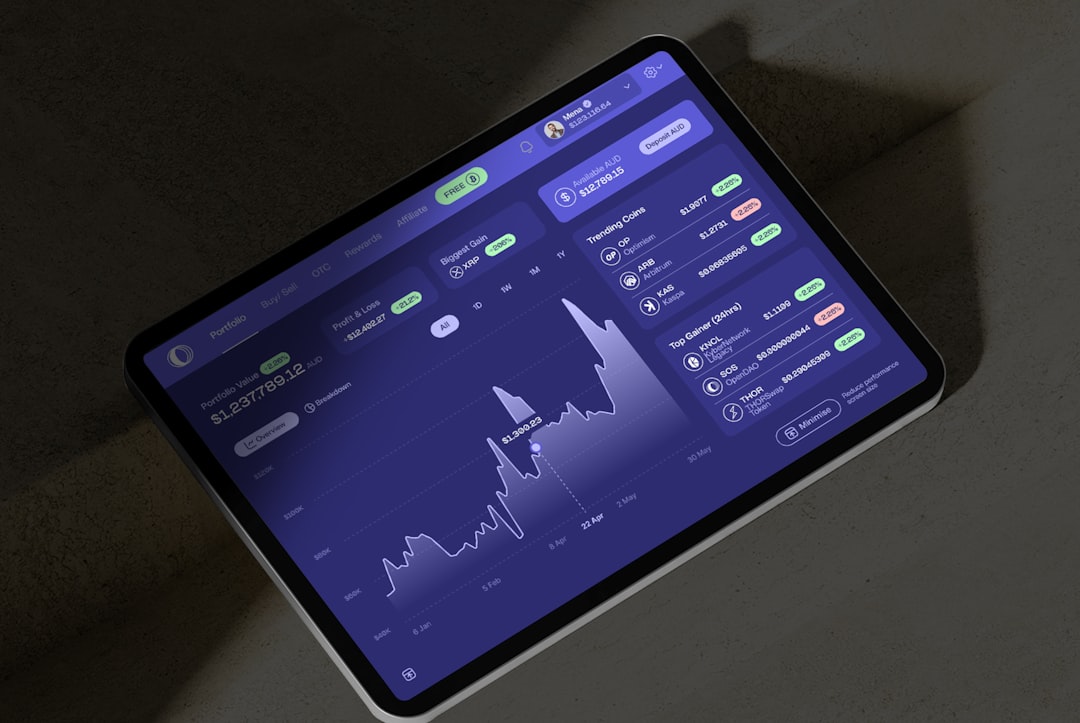
—
Hooked on Crypto? Why Coinbase Should Be Your First Stop
If you’ve ever wondered how to turn a few dollars into Bitcoin, Ethereum, or a whole portfolio of digital assets, chances are you’ve heard the name Coinbase whispered in forums, podcasts, and news headlines. As one of the most trusted cryptocurrency exchanges in the world, Coinbase offers a blend of simplicity, security, and powerful tools that can take a complete beginner from “what’s a blockchain?” to “I just made my first trade.” In this post we’ll break down the platform’s core features, fees, security measures, and growth strategies—so you can decide if Coinbase is the right gateway to your crypto journey.
—
1. Getting Started: Signing Up & Verifying Your Account
Actionable steps:
1. Create an account – Visit Coinbase.com or download the mobile app, then enter your email and set a strong password.
2. Verify identity – Upload a government‑issued ID and a selfie. This KYC (Know‑Your‑Customer) process is mandatory for buying Bitcoin, selling crypto, and accessing higher limits.
3. Link a payment method – Connect a bank account, debit card, or wire transfer. Debit cards let you buy instantly (though at a higher fee), while bank transfers are cheaper but take 1–3 business days.
Why it matters: A fully verified Coinbase account unlocks the full suite of services—instant crypto purchases, staking rewards, and the Coinbase Pro trading interface.
SEO keyword tip: “Coinbase account verification” and “how to buy Bitcoin on Coinbase” are common search queries; make sure they appear naturally in your onboarding guides.
—
2. Core Features: Trading, Staking, and the Crypto Wallet
a. Simple Buy‑Sell Interface
The standard Coinbase dashboard is built for speed. Click Buy, choose a cryptocurrency (Bitcoin, Ethereum, Solana, etc.), enter the amount, and confirm. The platform handles the conversion automatically, showing you the exact fiat cost plus fees.
b. Coinbase Pro (Advanced Trading)
When you need deeper market data, lower trading fees, or limit orders, switch to Coinbase Pro. Here you can:
- Set limit, stop‑limit, and market orders.
- View real‑time order books and charting tools.
- Benefit from a maker‑taker fee model that can drop as low as 0.04% for high‑volume traders.
- Use ACH bank transfers instead of debit cards for purchases.
- Trade on Coinbase Pro to benefit from the maker‑taker model.
- Consolidate multiple small trades into a single larger order to reduce per‑trade costs.
- Regulatory licensing – Coinbase is a registered Money Services Business (MSB) in the U.S. and holds a BitLicense in New York.
- Insurance coverage – Digital assets held in custody are insured against hacking or theft (up to $250 million).
- Cold storage – Over 98% of customer funds are stored offline in geographically dispersed vaults.
- Coinbase Learn – Free tutorials on blockchain basics, tax implications, and investment strategies.
- Coinbase Blog – Weekly market analysis, new asset listings, and regulatory updates.
- Community forums – Engage with other traders, ask questions, and share insights.
c. Staking & Earn Programs
Coinbase lets you stake assets like Ethereum 2.0, Tezos, and Cosmos directly from your wallet. By simply opting in, you earn passive rewards—often 4‑7% APY—without leaving the platform.
d. Secure Crypto Wallet
Every Coinbase user gets a non‑custodial wallet option. While the default is a custodial wallet (Coinbase holds the private keys), you can export your keys to a hardware wallet for full control. This flexibility is crucial for long‑term security and tax reporting.
Actionable tip: Enable two‑factor authentication (2FA) and hardware security keys (U2F) to add an extra layer of protection to your account.
—
3. Understanding Fees: What You’ll Pay and How to Minimize Costs
Coinbase’s fee structure can feel opaque at first glance. Here’s a quick cheat‑sheet:
| Transaction Type | Fee Model | Approximate Cost |
|——————|———–|——————|
| Instant buy (debit card) | Flat + % | 3.99% of purchase |
| Bank transfer (ACH) | Flat | $0 (often free) |
| Coinbase Pro market order | Maker‑taker | 0.50% (taker) – 0.04% (maker) |
| Withdrawal to external wallet | Network fee | Varies by blockchain |
How to lower fees:
—
4. Security & Compliance: Why Coinbase Is Considered “Safe”
Actionable security checklist:
1. Activate 2FA (preferably via an authenticator app).
2. Set up login alerts for new devices.
3. Regularly review the device management page and revoke any unknown sessions.
—
5. Growing with Coinbase: Educational Resources & Community
Coinbase isn’t just a platform; it’s an ecosystem that supports learning:
Takeaway: Leveraging these resources can accelerate your crypto education and help you make informed decisions, especially when navigating volatile markets.
—
Conclusion – Key Takeaways
1. Easy onboarding – A few minutes of verification gets you trading on the world’s most reputable crypto exchange.
2. Versatile tools – From a beginner‑friendly buy‑sell screen to the advanced Coinbase Pro interface, the platform scales with your skill level.
3. Transparent fees – Understanding the fee matrix lets you choose the cheapest payment method and trading venue.
4. Robust security – Regulatory compliance, insurance, and best‑in‑class security features keep your assets safe.
5. Continuous learning – Coinbase’s educational hub ensures you stay ahead of market trends and regulatory changes.
Whether you’re looking to dip a toe into buying Bitcoin or you’re a seasoned trader hunting lower fees on Coinbase Pro, this exchange offers a reliable, secure, and user‑centric gateway to the cryptocurrency world. Ready to start? Sign up today, secure your account, and watch your digital portfolio grow—one trade at a time.