
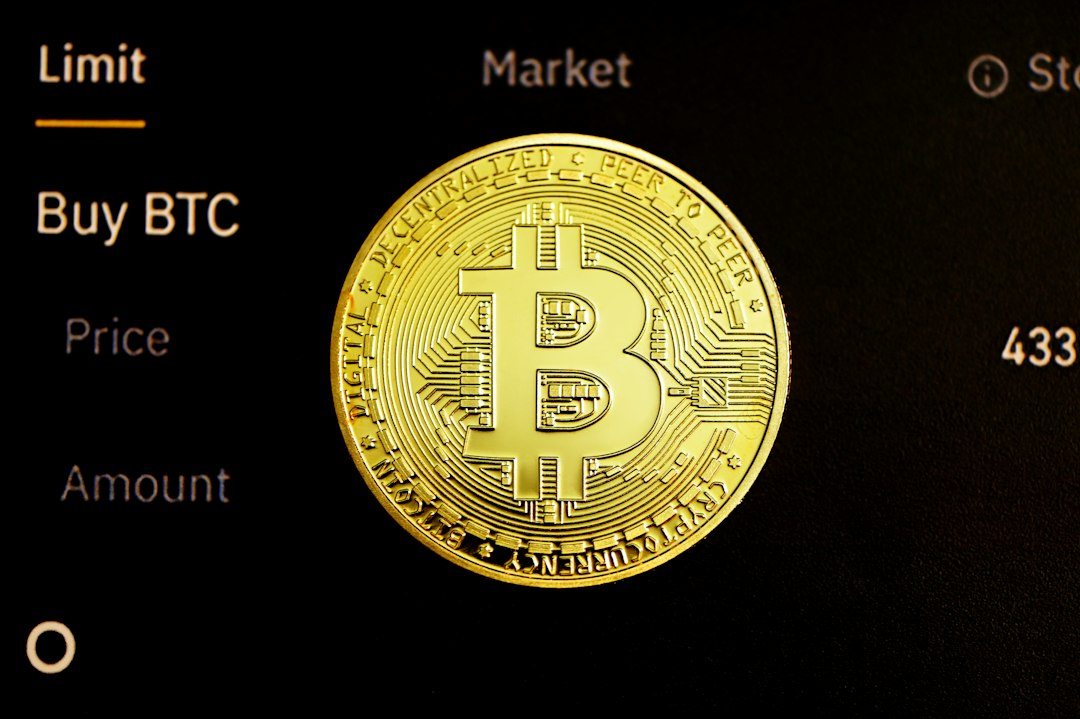
—
Hooking You Into Bitcoin
Imagine a digital gold rush where you don’t need a pickaxe—just a smartphone and an internet connection. That’s the promise of Bitcoin, the original cryptocurrency that has reshaped finance, sparked global debates, and created a whole new asset class. Whether you’re curious about buying your first satoshi, protecting your holdings, or simply understanding why Bitcoin matters, this guide breaks it all down in plain English.
—
1. What Is Bitcoin and Why Does It Matter?
Bitcoin is a decentralized digital currency built on blockchain technology. Unlike traditional money, it isn’t issued by a central bank; instead, a network of computers (miners) validates transactions and secures the ledger.
Actionable Insight:
- Check the fundamentals: Look for the three core traits—limited supply (21 million coins), peer‑to‑peer transactions, and cryptographic security. These differentiate Bitcoin from fiat currencies and many newer altcoins.
- Never keep large amounts on an exchange. Even the biggest platforms can be hacked; a hardware wallet isolates your private keys offline.
- Dollar‑Cost Averaging (DCA): Invest a fixed amount weekly or monthly regardless of price. This smooths out market spikes.
- Set stop‑loss orders: Protect your downside by automatically selling if Bitcoin drops to a predetermined level.
- Stay informed: Follow reputable news sources (CoinDesk, Bloomberg Crypto) and watch on‑chain metrics like hash rate and transaction volume for deeper insight.
- Create a risk‑management plan before you buy. Decide how much of your portfolio you’re comfortable allocating to Bitcoin (commonly 1‑5% for beginners).
- Hardware matters: ASIC miners (e.g., Antminer S19) dominate the industry; GPUs are no longer profitable for Bitcoin.
- Electricity costs: Mining is energy‑intensive. Calculate your profit using online calculators that factor in hash rate, power consumption, and local electricity rates.
- Join a mining pool: Solo mining is nearly impossible for individuals; pools combine hash power and share rewards proportionally.
- Consider cloud mining or staking alternatives if upfront hardware costs and electricity bills are prohibitive. However, research providers thoroughly to avoid scams.
- Experiment with Bitcoin payments: Use a Bitcoin debit card or QR‑code scanner to pay for everyday items, reinforcing its utility beyond trading.
- Watch regulatory developments: Legislation can impact adoption rates and price stability—stay updated on your country’s crypto policies.
- Bitcoin is a decentralized, limited‑supply digital asset built on blockchain, offering an alternative to traditional money.
- Buy securely: Use reputable exchanges, enable 2FA, and store long‑term holdings in a hardware wallet.
- Manage volatility with dollar‑cost averaging, stop‑loss orders, and a clear risk plan.
- Mining powers the network but requires substantial hardware and electricity—consider pools or cloud solutions if you’re interested.
- Real‑world adoption is growing, making Bitcoin not just an investment but a functional currency for the digital age.
SEO Keywords: Bitcoin definition, blockchain, decentralized currency, limited supply, Bitcoin vs fiat.
—
2. How to Buy Bitcoin Safely
Getting started is easier than you think. Here’s a step‑by‑step checklist:
1. Choose a reputable exchange – platforms like Coinbase, Binance, or Kraken are regulated and user‑friendly.
2. Set up a secure account – enable two‑factor authentication (2FA) and verify your identity to meet KYC requirements.
3. Fund your account – link a bank account or use a credit/debit card to deposit USD, EUR, or your local currency.
4. Place a market or limit order – a market order buys instantly at the current price, while a limit order lets you set a target price.
5. Transfer to a personal wallet – for long‑term storage, move your Bitcoin to a hardware wallet (e.g., Ledger or Trezor) or a reputable software wallet.
Actionable Insight:
SEO Keywords: how to buy Bitcoin, Bitcoin exchange, Bitcoin wallet, hardware wallet, secure Bitcoin storage.
—
3. Understanding Bitcoin Price Volatility
Bitcoin’s price can swing dramatically—think of the 2021 surge to $64,000 followed by a steep correction. Volatility stems from market sentiment, regulatory news, macro‑economic trends, and institutional adoption.
Tips to Navigate Volatility:
Actionable Insight:
SEO Keywords: Bitcoin price volatility, Bitcoin price prediction, dollar-cost averaging, stop‑loss order, Bitcoin market analysis.
—
4. Bitcoin Mining: The Engine Behind the Currency
Mining is the process that validates transactions and introduces new Bitcoins into circulation. Miners solve complex mathematical puzzles, earning block rewards and transaction fees.
Key Points for Aspiring Miners:
Actionable Insight:
SEO Keywords: Bitcoin mining, ASIC miner, mining pool, Bitcoin block reward, mining profitability.
—
5. Real‑World Uses and Future Outlook
Beyond speculation, Bitcoin is gaining traction as a store of value, a payment method, and a hedge against inflation in countries with unstable fiat currencies. Companies like Tesla and PayPal now accept Bitcoin, and central banks are exploring digital currencies inspired by its blockchain.
Actionable Insight:
SEO Keywords: Bitcoin use cases, Bitcoin as digital gold, Bitcoin adoption, Bitcoin regulation, Bitcoin future.
—
Conclusion: Key Takeaways
Ready to take the next step? Start small, stay informed, and let the power of Bitcoin work for you. Happy hodling!