
—
Why Bitcoin Still Matters – A Hook to Capture Curiosity
Imagine buying a coffee with a digital token that’s not tied to any bank, can be sent across the globe in minutes, and has surged from a few cents to over $60,000 in just a decade. That’s Bitcoin—a revolutionary blend of finance, technology, and culture that continues to reshape how we think about money. Whether you’re a curious newcomer, a seasoned investor, or a tech enthusiast, understanding Bitcoin’s core concepts and practical steps can empower you to navigate this dynamic space with confidence.
—
1. What Is Bitcoin? Understanding the Basics
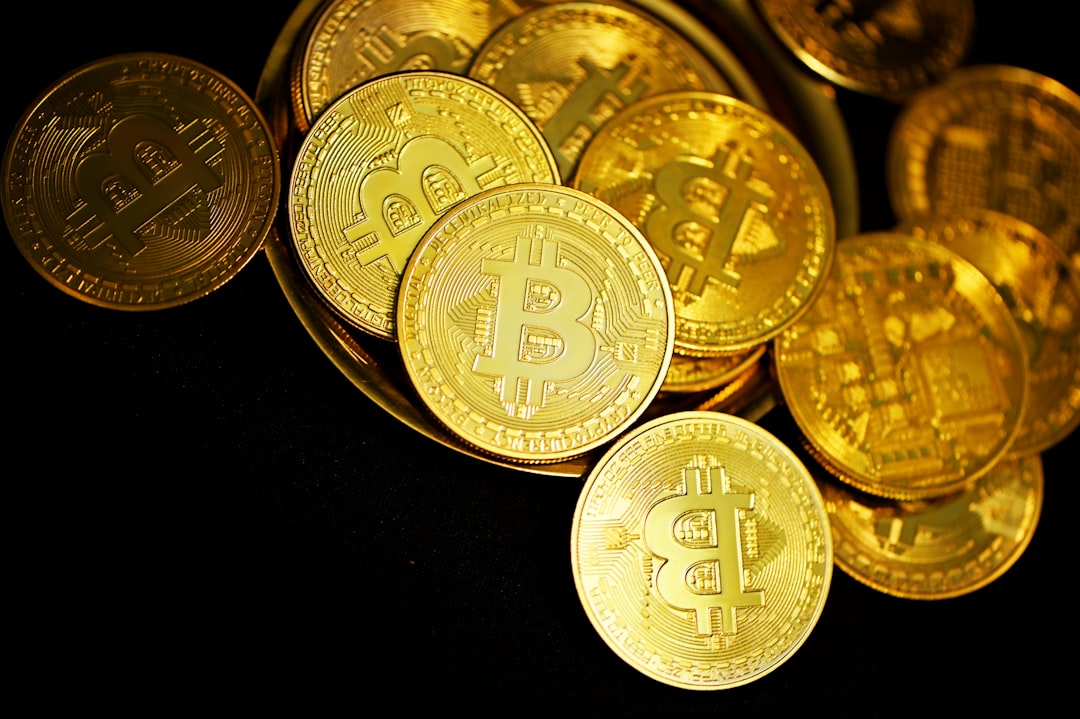
Bitcoin defined – Bitcoin is the first decentralized cryptocurrency, created in 2009 by the pseudonymous developer Satoshi Nakamoto. It operates on a peer‑to‑peer network, allowing users to transfer value without intermediaries such as banks or payment processors.
Key benefits
- Borderless transactions: Send funds worldwide 24/7 with low fees.
- Limited supply: Only 21 million bitcoins will ever exist, giving it a scarcity similar to gold.
- Transparency: Every transaction is recorded on a public ledger called the blockchain.
- Security: Mining ensures the network’s security; the more hash power, the harder it is to attack.
- Energy considerations: Modern miners often use renewable energy sources to mitigate environmental impact.
- Hardware wallets (e.g., Ledger, Trezor): Offline storage, ideal for long‑term holding.
- Software wallets (mobile/desktop): Convenient for daily transactions; ensure you use reputable apps like Exodus or Electrum.
- Custodial wallets (exchanges): Quick to set up but you don’t control the private keys.
- Buy‑and‑hold (HODL): Purchase BTC and keep it for the long term, betting on continued adoption and scarcity.
- Dollar‑cost averaging (DCA): Invest a fixed amount weekly or monthly, smoothing out price fluctuations.
- Trading: Use technical analysis and chart patterns for short‑term profit; requires experience and risk controls.
- Institutional adoption: Companies like Tesla and MicroStrategy hold large BTC reserves, legitimizing it as a treasury asset.
- Regulatory clarity: Governments worldwide are drafting crypto‑friendly regulations, which could reduce uncertainty and attract more investors.
- Layer‑2 solutions: Technologies such as the Lightning Network aim to increase transaction speed and lower fees, making Bitcoin more practical for everyday use.
Actionable tip: If you’re new to crypto, start by reading the original Bitcoin whitepaper (available for free online). It’s a concise 9‑page document that explains the problem Bitcoin solves and how it works.
—
2. How Bitcoin Works: Blockchain & Mining Explained
The blockchain – Think of the blockchain as a digital notebook that anyone can view but no one can alter retroactively. Each “block” contains a batch of transactions, a timestamp, and a cryptographic hash linking it to the previous block, forming an immutable chain.
Mining fundamentals – Bitcoin miners use powerful computers to solve complex mathematical puzzles. The first miner to solve the puzzle adds the new block to the blockchain and receives a block reward (currently 6.25 BTC) plus transaction fees.
Practical insight:
Actionable tip: If you’re interested in mining, calculate your potential ROI using an online mining profitability calculator. Factor in hardware costs, electricity rates, and the current Bitcoin price before investing.
—
3. Getting Started: Choosing a Bitcoin Wallet & Buying Safely
Wallet types
Buying Bitcoin – The simplest route is through a regulated exchange such as Coinbase, Binance, or Kraken. Verify the platform’s security measures, fees, and supported payment methods (bank transfer, credit card, etc.).
Actionable steps:
1. Create a wallet: Download a reputable app or purchase a hardware device.
2. Secure your seed phrase: Write it down on paper; never store it digitally.
3. Purchase Bitcoin: Transfer funds from your bank, then execute a market or limit order.
4. Transfer to your wallet: Move the purchased BTC from the exchange to your personal wallet for added security.
—
4. Bitcoin as an Investment: Risks, Strategies, and Portfolio Management
Risk profile – Bitcoin’s price is notoriously volatile. It can swing double‑digit percentages in a single day due to market sentiment, regulatory news, or macroeconomic events.
Investment strategies
Diversification tip: Limit Bitcoin exposure to 5‑10 % of your overall investment portfolio, especially if you’re new to crypto. Pair it with traditional assets (stocks, bonds) and other cryptocurrencies to spread risk.
—
5. Looking Ahead: Future Trends Shaping Bitcoin
Actionable outlook: Stay informed by following reputable news sources (CoinDesk, The Block) and joining community forums like r/Bitcoin on Reddit. Knowledge is your best hedge against market surprises.
—
Conclusion – Key Takeaways
1. Bitcoin is a decentralized, scarce digital asset that offers borderless, transparent transactions.
2. Understanding blockchain and mining is essential for grasping Bitcoin’s security and value proposition.
3. Start safely: Choose a secure wallet, buy through a reputable exchange, and always protect your seed phrase.
4. Invest wisely: Use strategies like HODL or DCA, keep exposure modest, and diversify across assets.
5. Watch the future: Institutional interest, evolving regulations, and Layer‑2 scaling solutions will shape Bitcoin’s role in finance.
By mastering these fundamentals, you’ll be equipped to participate in the Bitcoin ecosystem—whether you’re aiming to store wealth, transact globally, or simply stay ahead of the financial curve. Happy Bitcoin journey!