
—
Introduction – Why Coins Still Spark Curiosity
Imagine holding a piece of history in the palm of your hand—a tiny metal disc that has traveled across continents, survived wars, and witnessed the rise of empires. That’s the magic of coins. Whether you’re drawn to the gleam of a modern quarter or the mystery of a rare coin from centuries past, the world of coin collecting (or numismatics) offers endless learning, excitement, and even a modest financial upside. In this guide, we’ll walk you through the essentials of starting a collection, spotting valuable pieces, and preserving your treasure for years to come.
—
1. Getting Started: Building a Solid Foundation
Choose a Focus
The first step is deciding what type of coins excite you most. Popular niches include:
- U.S. circulation coins (pennies, nickels, dimes, quarters) – great for beginners.
- World coins – explore different cultures and mint marks.
- Historical series – such as Lincoln cents or Morgan silver dollars.
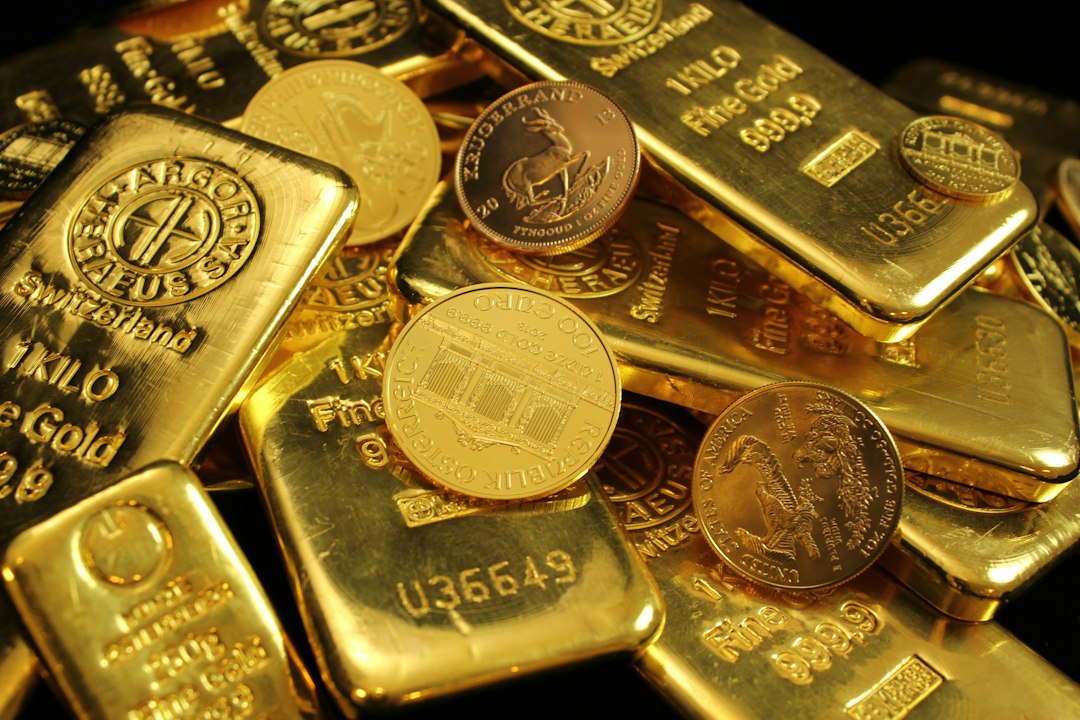
- Precious‑metal coins (gold, silver) – often hold intrinsic value.
- Initial starter set or starter kit.
- Storage solutions (coin flips, albums, or a safe).
- Future purchases or auctions.
- Coin flips (plastic sleeves) are inexpensive and protect against fingerprints.
- Hard‑case albums provide organization and display appeal.
- For high‑value pieces, consider acid‑free holders and a climate‑controlled safe.
- Start with a clear focus and budget; a well‑defined theme fuels long‑term enthusiasm.
- Condition, rarity, and provenance are the three pillars that determine a coin’s value.
- Proper storage and documentation protect both the physical integrity and financial worth of your collection.
- Engage with the community through clubs, auctions, and online forums to learn, trade, and grow your portfolio.
Pick a theme that aligns with your interests; it will keep you motivated and make research enjoyable.
Set a Budget
Determine how much you’re willing to spend each month. Remember, collecting doesn’t have to be expensive—many valuable finds are hidden in everyday change. Allocate funds for:
Learn the Basics
Familiarize yourself with key terms: obverse (front), reverse (back), mint mark, grade, and mintage. A quick read of a reputable numismatic guide or a few YouTube tutorials will give you the confidence to evaluate coins accurately.
—
2. Spotting Value: How to Identify Worthy Coins
Check Condition First
A coin’s grade (its state of preservation) dramatically influences value. Even a common coin can fetch a premium if it’s in mint condition (graded MS‑70 by professional services). Use a magnifying glass and good lighting to spot scratches, wear, or discoloration.
Research Rarity and Demand
Look up the coin’s mintage (how many were minted) and its historical significance. Low‑mintage or error coins—like a double‑die penny—are often prized by collectors. Websites such as the PCGS Price Guide or NGC provide up‑to‑date market values.
Leverage Provenance
If a coin comes with a documented history (e.g., part of a known collection or discovered in a historic hoard), its provenance can boost desirability. Keep any receipts, certificates, or notes that verify authenticity.
Use Technology
Mobile apps like Coinoscope let you scan a coin and instantly compare it to a database of known specimens, giving you a quick estimate of rarity and value.
—
3. Storing & Showcasing: Protecting Your Investment
Choose the Right Containers
Control the Environment
Coins hate humidity and temperature swings. Store them in a cool, dry place—ideally 60–70°F (15–21°C) with less than 50% relative humidity. Avoid basements or attics where moisture can cause corrosion.
Document Your Collection
Maintain a simple spreadsheet or use a dedicated app (e.g., Collector’s Assistant) to log each coin’s details: year, mint mark, grade, purchase price, and current market value. This record helps track growth and simplifies insurance appraisals.
Show Off Responsibly
When displaying coins at shows or on social media, use proper lighting to highlight details without exposing them to excessive heat. A small, rotating display case can make your collection a conversation starter while keeping it safe.
—
4. Expanding Your Horizons: Trading, Auctions, and Community
Join a Club
Local coin clubs host meet‑ups, swap meets, and educational talks. Connecting with seasoned collectors gives you insider tips and access to rare finds.
Participate in Auctions
Online platforms like eBay, Heritage Auctions, and Stack’s Bowers allow you to bid on specific coins you’ve researched. Set a maximum bid beforehand to avoid overspending.
Trade Wisely
Bartering is a time‑honored tradition in numismatics. When proposing a trade, provide clear photos, condition reports, and any grading certificates. Trust builds over repeated, transparent exchanges.
Stay Updated
Subscribe to newsletters from the American Numismatic Association (ANA) or follow reputable numismatic blogs. Market trends shift—being informed ensures you buy low and sell high when the opportunity arises.
—
Conclusion – Key Takeaways
Coins are more than metal—they’re stories, art, and a tangible link to the past. By applying these practical steps, you’ll not only build a collection that shines in your display case but also develop a rewarding hobby that can appreciate in both knowledge and value over time. Happy collecting!