
—
Introduction – Why Coins Capture Our Imagination
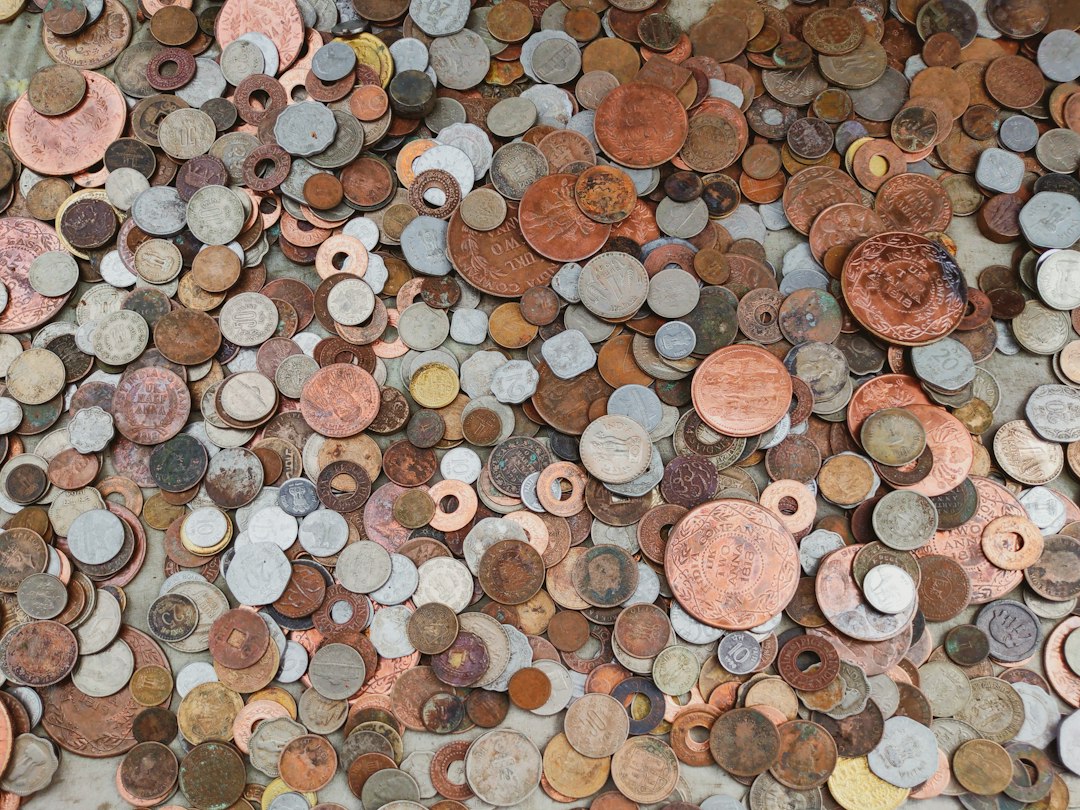
Ever found a shiny penny on the sidewalk and felt a tiny thrill? That spark is the same one that drives millions to hunt for rare coins, study numismatics, and build impressive collections. Coins are more than currency; they’re miniature time capsules that tell stories of empires, art, and economics. In this guide, we’ll explore the fascinating world of coins, give you actionable steps to start collecting, and show how the right knowledge can turn a hobby into a smart investment.
—
1. The Rich History Behind Everyday Coins
Understanding a coin’s background is the first step toward appreciating its value.
- Ancient Origins: The first metal coins appeared in Lydia (modern‑day Turkey) around 600 BC, featuring simple lion heads that guaranteed weight and purity.
- Evolution of Design: From Roman denarii to modern‑day quarters, designs have reflected politics, culture, and technology. Look for historical motifs like presidents, monarchs, or national symbols.
- Why It Matters: A coin’s story boosts its collectible appeal. When you know that a 1916 Lincoln penny was minted during World War I, you’ll instantly see why collectors prize it.
- Grading Basics: The Sheldon Scale (1–70) rates a coin’s condition, with 70 being a perfect mint state. Learn the visual cues for grades like VF (Very Fine) or EF (Extremely Fine).
- Rarity Factors: Limited mintage, historical significance, and mint errors (e.g., double‑die obverses) boost scarcity. Use resources like the Standard Catalog of World Coins to verify mintage numbers.
- Current Market: Follow price guides such as PCGS or NGC and monitor auction results on sites like Heritage Auctions. Trends can shift quickly—silver bullion surged in 2020, while certain commemorative coins peaked during anniversaries.
- Avoid Hands: Oils and acids from skin can tarnish metal. Handle coins by the edges or use cotton gloves.
- Use Acid‑Free Holders: Mylar flips, acrylic slabs, or inert coin tubes prevent chemical reactions.
- Control Environment: Keep your collection in a cool, dry place (ideally 65–70 °F and 40–50 % humidity). Extreme temperature swings cause metal fatigue.
- Regular Checks: Inspect your coins quarterly for signs of corrosion or damage. Early detection lets you intervene before value declines.
- Diversify: Combine precious‑metal coins (gold, silver) with numismatic pieces that have collector demand. This balances market volatility.
- Liquidity: High‑grade, well‑documented coins sell quickly through reputable dealers or auction houses. Keep certificates of authenticity handy.
- Tax Implications: In many jurisdictions, coins held for over a year may qualify for long‑term capital gains rates. Consult a tax professional to maximize returns.
- History adds value: Knowing a coin’s story enhances appreciation and resale potential.
- Start smart: Define your collecting goal, pick a niche, and equip yourself with basic tools.
- Grade and research: Accurate grading and market awareness prevent overpaying.
- Preserve diligently: Proper handling and storage safeguard both beauty and price.
- Invest wisely: Treat coins as a complementary asset, balancing numismatic interest with precious‑metal stability.
Actionable tip: Pick one era that intrigues you—ancient, colonial, or modern—and start researching the key denominations. A focused theme makes your collection cohesive and more marketable.
—
2. How to Start a Coin Collection: Practical Steps
Launching a collection doesn’t require a fortune—just a plan.
1. Set a Goal: Decide whether you want to collect for fun, historical interest, or profit. Your goal determines the budget and the types of coins you chase.
2. Choose a Niche: Popular niches include U.S. state quarters, gold bullion, error coins, and foreign silver dollars. Specializing helps you become an expert faster.
3. Gather Tools: Invest in a good magnifying glass (10× is ideal), soft‑tipped coin holders, and a basic coin grading guide. These tools protect your pieces and aid accurate assessment.
4. Find Reliable Sources: Start with reputable dealers, local coin shows, and online marketplaces that offer buyer protection. Avoid “too good to be true” deals on random e‑bay listings.
5. Document Everything: Keep a spreadsheet noting the coin’s year, mint mark, condition, purchase price, and seller. This record becomes essential when you later evaluate coin value or decide to sell.
Actionable tip: Purchase your first three coins from different sources—one from a dealer, one from a coin show, and one from a trusted online auction. Compare the experiences to refine your buying strategy.
—
3. Evaluating Coin Value: Grading, Rarity, and Market Trends
A coin’s price isn’t just about metal content; it’s a blend of condition, rarity, and demand.
Actionable tip: Before buying, compare the dealer’s asking price with the latest coin price guide value for the same grade. A difference of more than 10 % may signal an over‑priced item.
—
4. Caring for Your Coins: Preservation Techniques
Proper storage preserves both aesthetic appeal and monetary worth.
Actionable tip: Create a “starter vault” using a small, airtight plastic box lined with acid‑free paper. Rotate coins in and out for viewing, but store them long‑term in individual holders.
—
5. Coins as an Investment: Risks and Rewards
While many view coin collecting as a hobby, it can also serve as a diversified asset.
Actionable tip: Allocate no more than 5–10 % of your overall investment portfolio to coins, especially if you’re new. Treat it as a long‑term play, not a get‑rich‑quick scheme.
—
Conclusion – Key Takeaways
Whether you’re pocketing a cent for nostalgia or building a portfolio of rare gold coins, the journey begins with curiosity and a single, well‑chosen piece. Happy collecting!